Design and Architecture
2025-09-15
Design and Architecture
- acquire some idea of what software design is about.
- learn one (of many) approaches to designing software, Attribute Driven Design 3.0.
- synchronize software design vocabulary with engineering design more broadly
Engineering Design
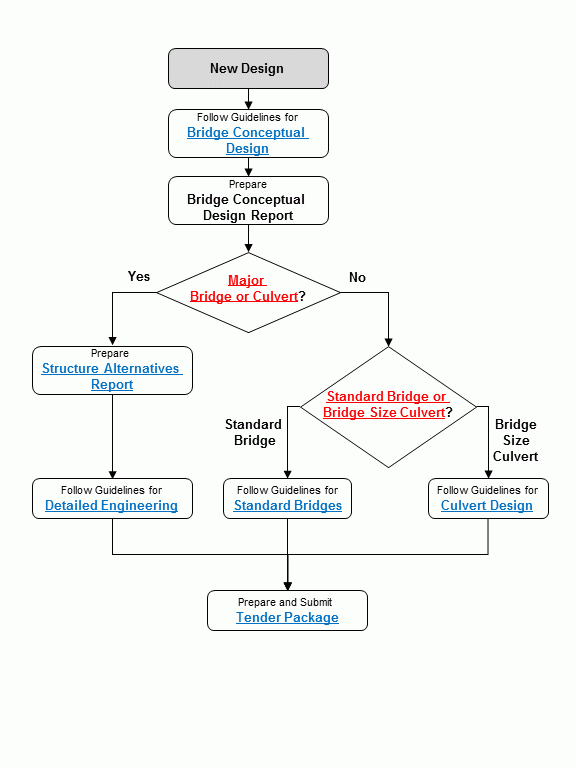 - what is different in how we do design?
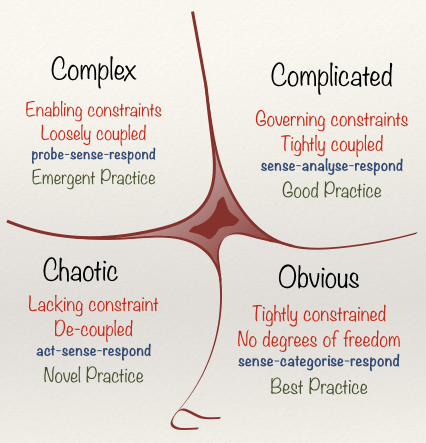
Cynefin1 is a useful, rich model for understanding where your project fits as far as complexity.
We need different design practices depending on where on that model our project fits (or we think it fits).
There are a few different ‘styles’ of software design you will encounter.
- Ad-hoc design. This is abdication of design as an important activity. We should recall that design exists at many levels; but how many projects have a substantial vision beyond ‘solve this problem’, often a problem the original implementer had (play music on Linux, make a cool video game, sell an operating system to IBM). Obviously, very low upfront cost.
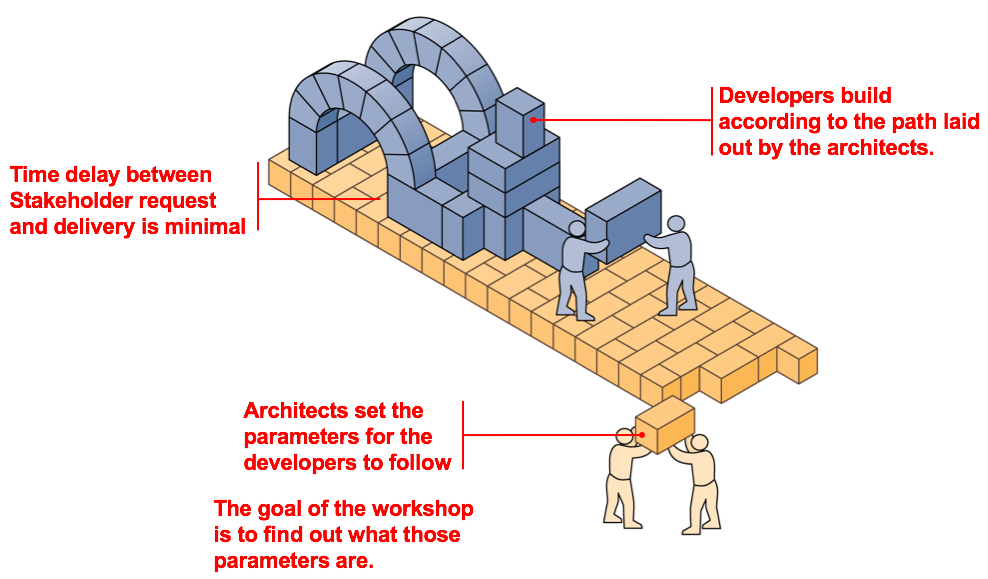
- Incremental design. This is where some semblance of design happens before a given iteration, but the design is often rough and filled in only during the sprint/iteration. This is the architecture runway.
- Upfront design. Here, we try to account for extremely detailed design questions, to the point that all that remains is to flesh out the code itself. This is possible, but expensive. It requires extensive simulation, works best in systems that stand-alone (ie. don’t rely on external inputs), and systems where the unknowns are ‘known’.
Projects exhibit aspects of all of these.
Architecture Runway
- Question: what makes a good design?
- Answer: the main Architecture drivers all address the important quality attribute scenarios!
- Otherwise, it is hard for us to objectively state whether this approach is better or worse than another approach.
- Challenge: sometimes the important scenarios are only visible in hindsight, or after a particular growth target is reached.
Exercise
You have been tasked with designing an architecture that supports functionality of this kind:
A unified management station for the building automation domain that automatically monitors and/or controls the internal functions of buildings, such as heating, ventilation, air conditioning, lighting, access, and safety.
What next? Get together in teams and figure out your initial set of actions as the lead architecture team.
after R. Sangwan, et al. 2007. “Integrating a Software Architecture-Centric Method into Object-Oriented Analysis and Design.” Journal of Systems and Software.
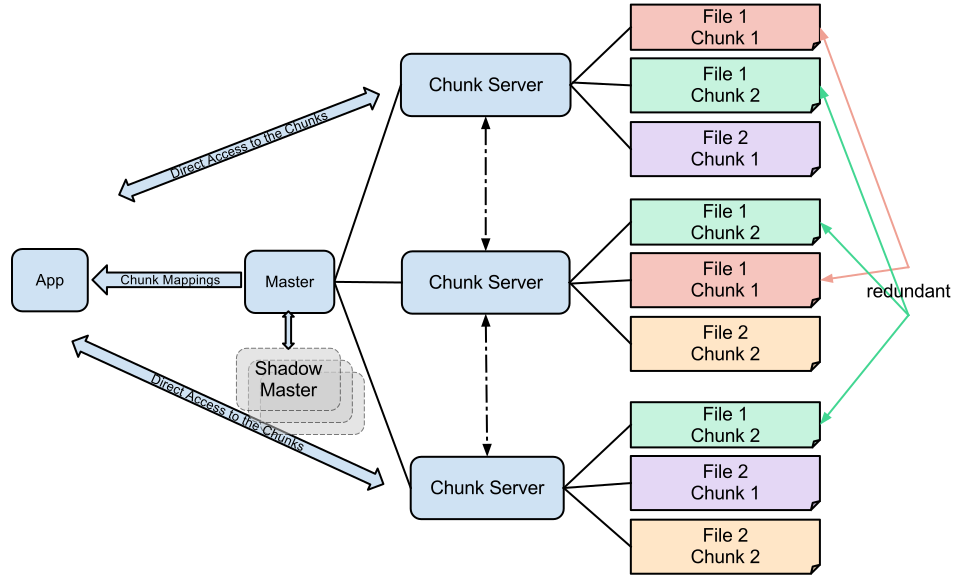
The Google File System was a design that served Google very well (e.g. availability, robustness, performance) but was eventually replaced with a new design, Colossus[^https://cloud.google.com/blog/products/storage-data-transfer/a-peek-behind-colossus-googles-file-system].
Google’s operations have scaled orders of magnitude beyond anything the system had been designed to handle. (The Register)
GFS
| GFS | Colossus |
|---|---|
| commodity hardware -> many h/w failures | replicate master and avoid single PoF |
| data throughput over latency | latency more important than before |
| append over write | support BigTable operations |
| handle increased search metadata | |
Point: good designers iterate and improve. One of the nice things about software is we can replace pieces of it as we go.
Tradeoffs
We iterate, but we also do tradeoffs. No one system can satisfy every quality attribute scenario. Some common tradeoffs:
- immediate functionality over long-term quality (sort of a meta tradeoff, this can lead to technical debt)
- performance over security
- availability over performance
- performance over maintainability
Attribute-Driven Design (ADD)
Good design practice involves three aspects.
- Good knowledge of the problem domain. It is hard to design a good banking system with no understanding of the business goals.
- Experience. Design skill is usually acquired through practice (and failure!).
- Design toolkit. Good design knows the ways other people have approached the problem, knows the relevant academic literature (e.g. the Papers We Love community), and pattern and style repositories.
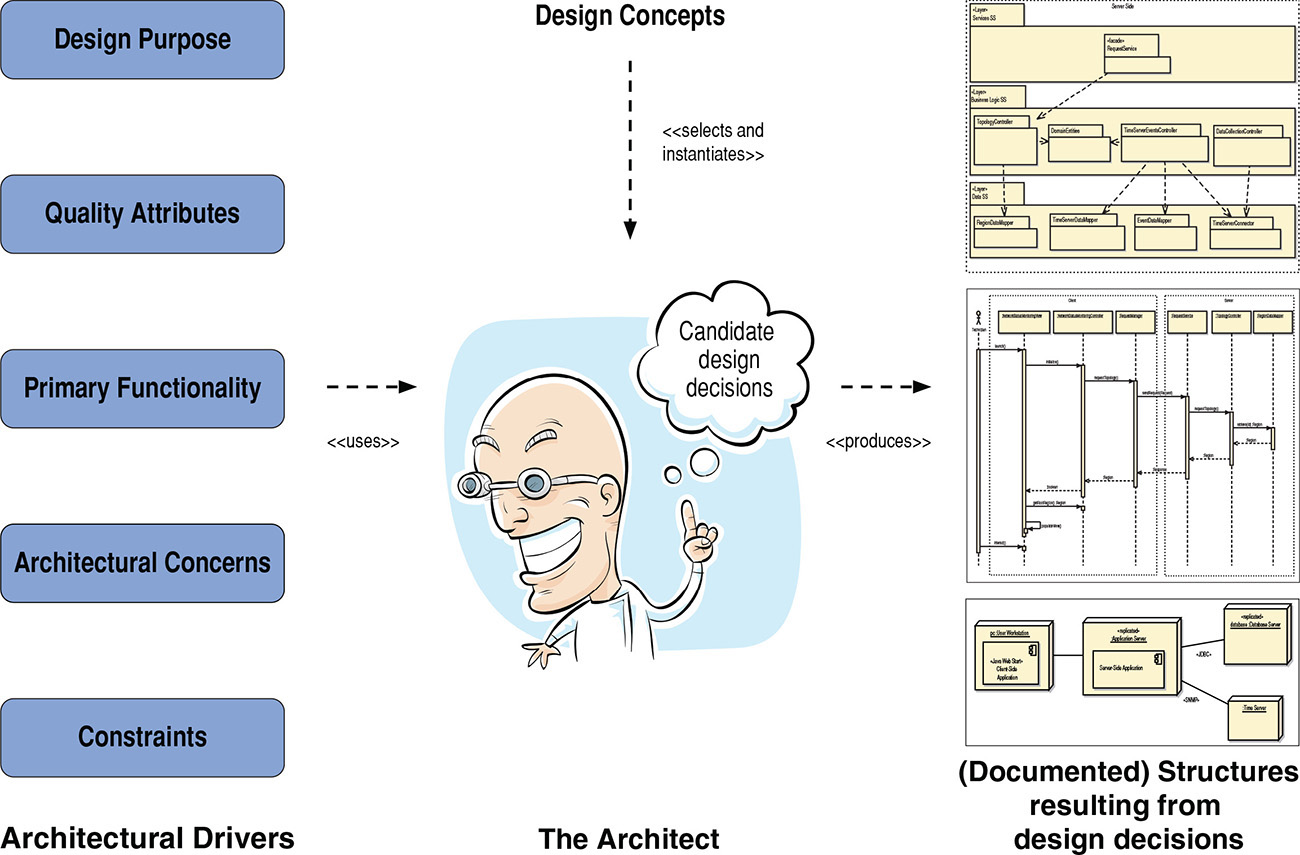
arch-cartoon from Design SA book
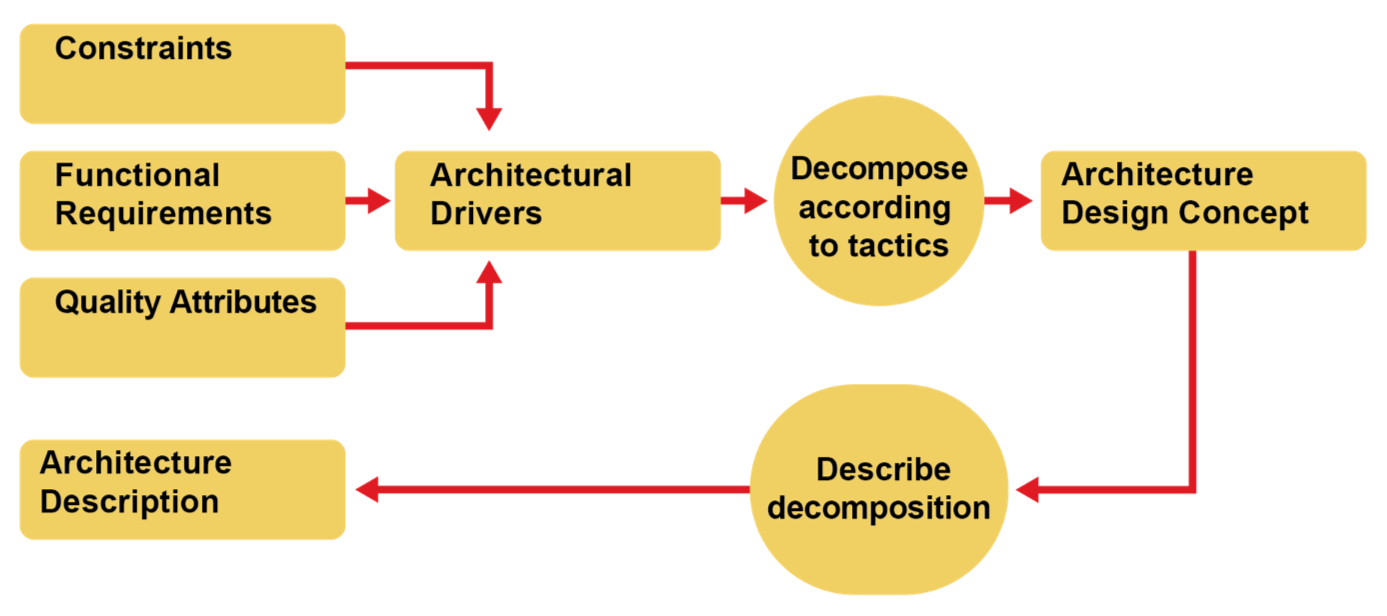
ADD
The framework will work from our quality attributes and satisfy the QAS as a essential part of designing/redesigning a system.
add2
Design as Test
One method to do design is to treat it as a series of experiments. We will propose a potential design, test it with our QAS, and then propose a new design until it satisfies the tests/QAS.
Testing Modifiability
We want to minimize the cost of changing the software. Modification cost is the cost of modifying a component’s responsibilities and any costs to modify its downstream dependencies.
How can we test whether our system is modifiable?
We can look at impact analysis for our module structures.
How much time will it take to change the direct component A, and how many components downstream of A will we need to fix?
Do other systems depend on A?
Can we test our change effectively, or will we not know if the change was successful? (do we have a sense for what our dependencies even are?)
Steps of ADD
- Choose an element of the system to design. Decompose beginning with the overall system.
- Identify the architecturally significant requirements for the chosen element.
- Generate a design solution for the chosen element.
- Verify and refine requirements and generate input for the next iteration.
- Repeat steps 1-4 until all the architecturally significant requirements have been satisfied.
Detailed Steps in ADD
- Identify design concerns.
- Create a list of alternative patterns.
- Select patterns for satisfying the candidate architectural drivers.
- Instantiate every type of element.
- Assign responsibilities.
- Analyze and document the design.
Design Concerns
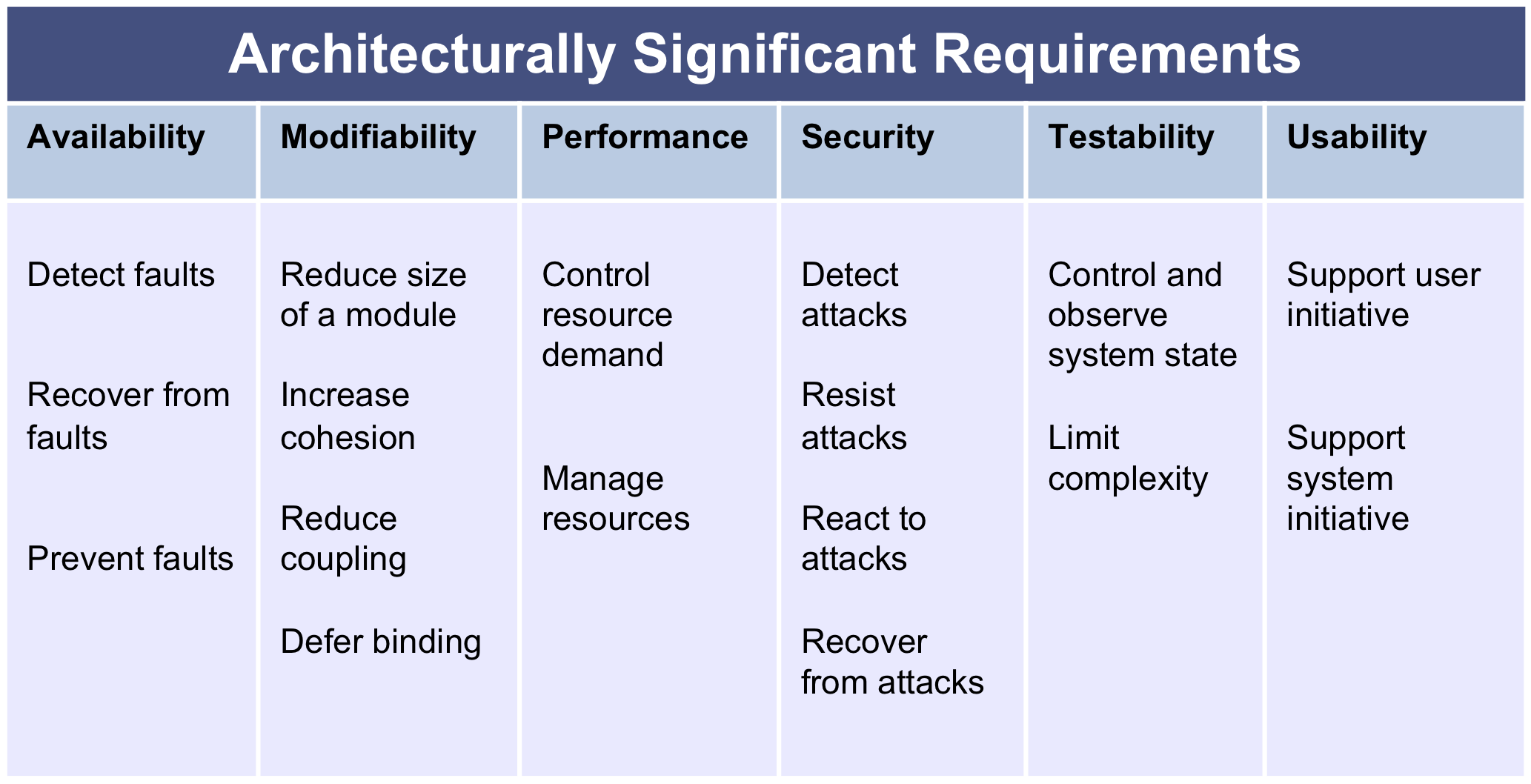
design concerns
We then select designs that address the concerns.
One way to do this is with design patterns and architecture tactics.
For example, to handle Performance, we need to Manage Resources. Some tactics to do this include using concurrency, using multiple copies of the data, and bounding queue sizes
You can find more tactics in the book. Most of the book covers architecture tactics.
Frameworks, libraries and platforms
Another way to assign responsibility to satisfy a design concern is with an externally developed component.
For example, I may delegate responsibility for my authentication mechanism to Google’s OAuth implementation.
This means I no longer have to take charge of managing the complexity of password management, hashing, and so on.
Exercise
We are building a web app that helps us identify tubular meat products. But we want to allow our EU friends to enjoy this app as well. Problem is, we will need to support different languages (otherwise we will lose users). We will not copy and paste code. How can we redesign the app to support i18n?
In your groups, identify an initial design solution that will remedy this situation.
Our architecture driver is “support i18n”.
- What QA is most relevant here?
- What design concerns do we need to think about? Identify 2 modifiability tactics that are relevant. (use the back of the book).
- Identify 1 externally-developed solution that might help with the problem.
- For each tactic and the OTS solution, identify the tradeoffs each makes in solving the problem.
References
- Designing Software Architectures, Cervantes and Kazman, 2017.
- NASA in SpaceFlight, https://history.nasa.gov/computers/p114.htm
- Kurtz, Cynthia F.; Snowden, David J. (2003). “The new dynamics of strategy: Sense-making in a complex and complicated world” IBM Systems Journal. 42 (3): 462–483. doi:10.1147/sj.423.0462.

Neil Ernst ©️ 2024-5